Bass
Dicentrarchus labrax
Bass (Dicentrarchus labrax) is a saltwater fish found in UK waters. Surf beaches, rocky headlands, estuaries and harbour walls. Bass hunt in broken, moving water. Whether you can keep one depends on local rules — check before you do.
- Max length
- 100 cm
- Max weight
- 12 kg
- Water
- Saltwater
- How often
- Common
Updated
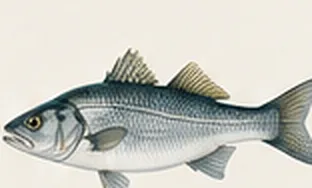
What it looks like
A clean, silver, well-proportioned predator with a slightly blue-grey back, two clearly separate dorsal fins and a sharply spined gill cover. Young fish may show faint dark spots that fade with age.
The mouth is large and the gill plates are genuinely sharp — handle by gripping the lower jaw, not by sliding a hand over the gills.
How to catch one
Bait
Lures (surface and shallow-diving), ragworm, peeler crab and live sandeel.
Rig
A single lure on a light rod, or a running leger with crab where the ground allows.
When
A rising tide over broken ground, especially at dawn, dusk and after a blow.
Where
Where white water meets structure — gullies, reefs, surf tables and estuary creeks.
Season: Late spring to autumn inshore. Subject to strict UK catch limits — check current regulations before you keep one.
Easy to confuse with
mullet
Mullet have small mouths, blunt heads and feed on algae and detritus rather than hunting fish.
Questions anglers ask
- Are there legal limits on keeping bass in the UK?
- Yes, and they change. Bass are subject to minimum sizes, bag limits and seasonal restrictions. Always check the current rules for your region before keeping a fish.
- What is the best way to catch bass?
- Lure fishing in moving water over structure, on a rising tide. Cover ground and keep the lure in the white water.