Bream
Abramis brama
Bream (Abramis brama) is a freshwater fish found in UK waters. Big still waters, slow rivers and drains. Bream roam in large shoals over silt and clay. Whether you can keep one depends on local rules — check before you do.
- Max length
- 80 cm
- Max weight
- 9 kg
- Water
- Freshwater
- How often
- Common
Updated
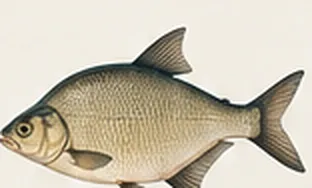
What it looks like
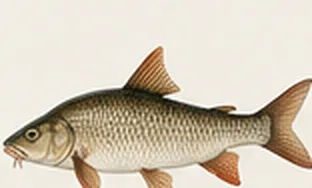
Extremely deep and flat-sided — a bream seen head-on is almost invisible. Adults are bronze to dark brown with a heavy coat of slime; young fish (‘skimmers’) are bright silver and much slimmer.
The mouth extends into a downward tube for vacuuming invertebrates out of silt. A feeding shoal leaves distinctive patches of clouded water and large lazy bubbles.
How to catch one
Bait
Worm, caster, maggot and sweetcorn over a heavy bed of groundbait.
Rig
A method feeder or straight lead with a short hooklink; bream are not shy of a bolt rig.
When
First light. A shoal that moves through at dawn can give an hour of fast fishing.
Where
Over silt in open water. Watch for rolling fish at dawn to locate the shoal.
Season: Late spring through summer, with dawn the prime time.
Easy to confuse with
silver bream
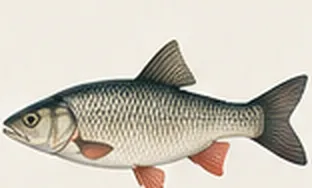
Silver bream stay small, keep their silver colour and have noticeably larger eyes.
Questions anglers ask
- Why do bream get called 'slabs'?
- Because of the shape — a big bream is a broad, flat slab of a fish. The word is affectionate.
- How do you find a bream shoal?
- Look for rolling fish at first light, then feed heavily and accurately in one spot to hold them.